Ethical Media & Journalism Engagement in GBV Reporting
Gender-Based Violence (GBV) remains one of the most pervasive human rights violations globally, affecting individuals across all ages, genders, and communities. The media plays a crucial role in shaping public perception, raising awareness, and influencing policy responses to GBV. However, irresponsible reporting can inadvertently retraumatize survivors, perpetuate stigma, or misinform the public. Ethical media and journalism engagement is therefore essential in ensuring that coverage of GBV is accurate, sensitive, and survivor-centered.
Ethical communication is a key component of responsible journalism. This involves not only what is reported but how it is communicated. Messages should be clear, respectful, and culturally appropriate, avoiding sensationalism or fear-based framing. Ethical communication ensures that survivors are not further marginalized, that communities are properly informed, and that public discourse fosters understanding and positive action rather than judgment or stigma.
In Ethiopia, GBV is a significant challenge affecting women, children, and vulnerable populations across urban and rural areas. Survivors often face social stigma, cultural barriers, and limited access to justice and support services. Media coverage that is insensitive or sensationalized can exacerbate these challenges, discouraging survivors from seeking help or reporting violence. At the same time, responsible journalism can play a transformative role by informing communities, highlighting available support services, and influencing policies to protect survivors.
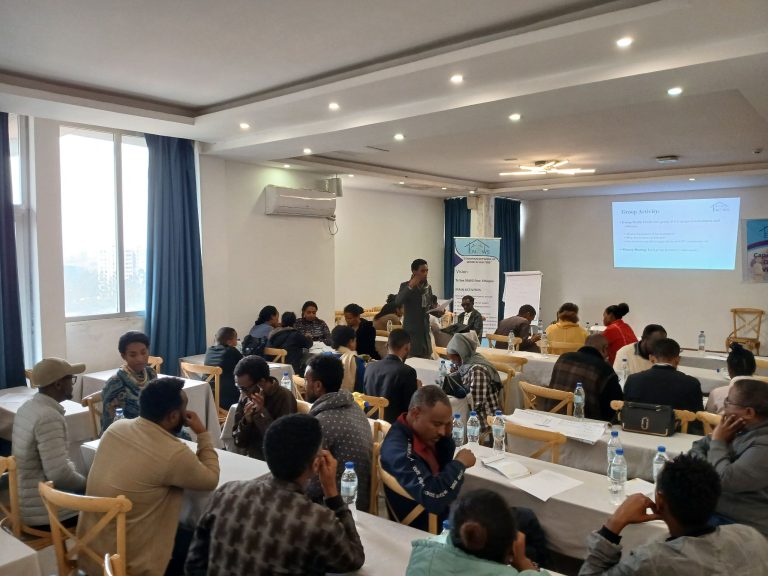
Training Journalists on Survivor-Centered and Ethical GBV Reporting
Journalists are often the bridge between survivors’ experiences and the wider public. Their reporting can either empower survivors and foster societal change or contribute to harm. Survivor-centered reporting emphasizes respect, dignity, and consent. Key elements include:
- Confidentiality: Protecting the identity of survivors unless explicit consent is provided.
- Informed Consent: Ensuring survivors understand how their stories will be used.
- Trauma-Sensitive Language: Avoiding sensationalism, victim-blaming, or graphic descriptions that may retraumatize.
- Contextual Accuracy: Reporting the social, cultural, and legal dimensions of GBV rather than focusing solely on isolated incidents.
- Empowerment Focus: Highlighting survivors’ resilience and support systems rather than presenting them merely as victims.
Training programs for journalists equip them with these principles, practical skills, and legal knowledge, enabling them to report responsibly while maintaining professional integrity.
Media Accountability Scorecard on GBV Coverage
Monitoring and evaluating media practices is equally important. A media accountability scorecard is a tool designed to assess how news outlets report on GBV. It provides structured feedback to journalists and media organizations, promoting higher standards of ethical reporting. Components of the scorecard typically include:
- Accuracy: Are the facts verified and correctly presented?
- Sensitivity: Does the coverage avoid stigmatizing language or retraumatization?
- Representation: Are diverse survivor voices and perspectives included respectfully?
- Context: Is the story framed within broader social, cultural, or systemic issues?
- Follow-Up Reporting: Does the media provide ongoing coverage, support resources, or policy discussions rather than one-off sensational reports?
The scorecard encourages accountability by highlighting best practices and identifying gaps in coverage, ultimately fostering more responsible and impactful reporting.
The Impact of Ethical Media Engagement
When journalists adhere to ethical and survivor-centered reporting, the media becomes a powerful agent for change. Proper reporting can:
- Raise Awareness: Inform the public about the prevalence, causes, and consequences of GBV.
- Influence Policy: Provide evidence for advocacy and legislative reforms.
- Empower Survivors: Offer survivors a platform that respects their dignity and agency.
- Challenge Harmful Norms: Counteract victim-blaming narratives and societal stigma.
Conclusion
Ethical media engagement in GBV reporting is not just a professional responsibility, it is a societal imperative. By training journalists on survivor-centered reporting and implementing accountability mechanisms like media scorecards, media organizations can transform their role from mere information providers to active advocates for justice, safety, and societal change. Ensuring that survivors’ stories are told with dignity and care is essential for building a more informed, empathetic, and equitable society.
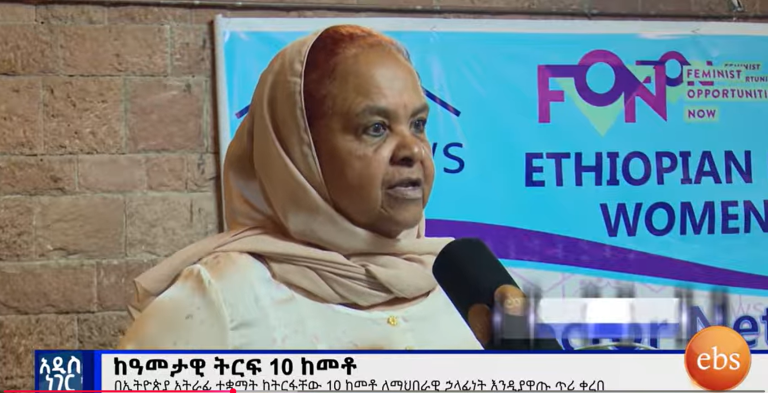
ENWS Message: The Ethiopian Network of Women Shelters (ENWS) encourages media professionals to adopt ethical and survivor-centered reporting, to amplify survivors’ voices, protect their dignity, and collaborate with communities and policymakers to prevent GBV and support those affected.