News

  • All Posts
  • #16Days
  • #16DaysOfActivism
  • #AccessibleServices
  • #AWSAD
  • #BreakTheSilence
  • #BreakTheSilenceEthiopia
  • #CapacityBuilding
  • #ChildrenInConflict
  • #CommunityAction
  • #CommunityAgainstViolence
  • #CommunityLeadership
  • #CommunityStrength
  • #Day8
  • #Dec3
  • #DignityAndProtection
  • #DignityForAll
  • #DisabilityInclusion
  • #EmpowerGirlsEthiopia
  • #EndDigitalViolence
  • #EndGBV
  • #EndGBVEthiopia
  • #EndGBVInEthiopia
  • #EndGenderBasedViolence
  • #EndHIV
  • #EndVAW
  • #EndVAWG
  • #EndViolenceNow
  • #ENWS
  • #ENWSForChange
  • #EqualityDignityJustice
  • #EqualityForAll
  • #Ethiopia
  • #EthiopiaForHumanRights
  • #EthiopiaNGOs
  • #EveryContributionMatters
  • #FaithForJustice
  • #GBVAwareness
  • #GBVPrevention
  • #GBVResponse
  • #GenderEquality
  • #GoodSamaritanEthiopia
  • #GrantProposalWriting
  • #HealthForAll
  • #HerSafetyOurFuture
  • #HumanitarianProtection
  • #HumanRightsDay2025
  • #HumanRightsDaySeries
  • #HumanRightsEthiopia
  • #HumanRightsForAll
  • #InclusionIsProtection
  • #InternationalDayOfPersonsWithDisabilities
  • #InternationalSheltersDay
  • #InternationalVolunteerDay
  • #JusticeForAll
  • #LeaveNoOneBehind
  • #MentalHealthSupport
  • #NGOTraining
  • #NoExcuse
  • #NoExcuseForOnlineAbuse
  • #NoMoreSilence
  • #NoPlaceForViolence
  • #OrangeTheWorld
  • #OrganizationalDevelopment
  • #OurEverydayEssentials
  • #PartnershipsForImpact
  • #PeaceForWomenAndChildren
  • #PreventViolence
  • #ProtectEveryChild
  • #ProtectEveryGirl
  • #ProtectHer
  • #ProtectHumanRights
  • #ProtectionServices
  • #ProtectWomenAndChildren
  • #ProtectWomenAndGirls
  • #ProtectWomenAndGirlsWithDisabilities
  • #PsychosocialSupport
  • #RightToSafety
  • #SafeCommunities
  • #SafeMigration
  • #SafeSheltersSaveLives
  • #SafeSpaces
  • #SafetyAndDignity
  • #StandUp4HumanRights
  • #StandWithSurvivors
  • #StopGBV
  • #StopIrregularMigration
  • #StopViolence
  • #StopViolenceAgainstChildren
  • #StopViolenceAgainstWomen
  • #StrongerTogether
  • #SupportSurvivors
  • #SupportWomenAndGirls
  • #SurvivorCare
  • #SurvivorCenteredSupport
  • #SurvivorVoicesMatter
  • #TogetherForAViolenceFreeFuture
  • #TogetherWeRise
  • #UNiTE
  • #VolunteerForChange
  • #WhiteRibbon
  • #WomenAndChildrenFirst
  • #WomenEmpowerment
  • #WomenInConflict
  • #WomensRights
  • #WomensRightsAreHumanRights
  • #WomenWithDisabilities
  • #WorldAIDSDay
  • 16Days
  • EndGBV
  • ENWS
  • Ethiopia
  • GenderEquality
  • GoodSamaritanAssociation
  • InternationalMigrantsDay
  • MigrantProtection
  • MigrantRights
  • ProtectMigrants
  • SafeMigration
  • WomenOnTheMove
ENWS Advances GBV Response in Ethiopia: Strengthening Survivor-Centered Services, Digital Case Management, Advocacy, Partnerships and Economic Empowerment

August 27, 2026/

Major achievements include improved shelter services, stronger advocacy and coordination, digitalized GBV case management, national media outreach, evidence generation, and expanded opportunities for survivors

Addis Ababa, Ethiopia — 2026

The Ethiopian Network of Women Shelters (ENWS) has made significant progress in strengthening Ethiopia’s gender-based violence (GBV) prevention and response system through survivor-centered service improvement, organizational capacity building, feminist advocacy, digital innovation, evidence generation, public awareness, and strategic partnerships.

Through its initiatives, ENWS has strengthened the capacity of shelters and service providers, expanded advocacy and policy engagement, introduced digital tools for GBV case management, increased public awareness through national media, strengthened coordination among GBV actors, and created opportunities for survivors to access livelihoods and economic empowerment.

These achievements have further strengthened ENWS as a national coalition working to improve the availability, accessibility, and quality of services for women and girls affected by violence.

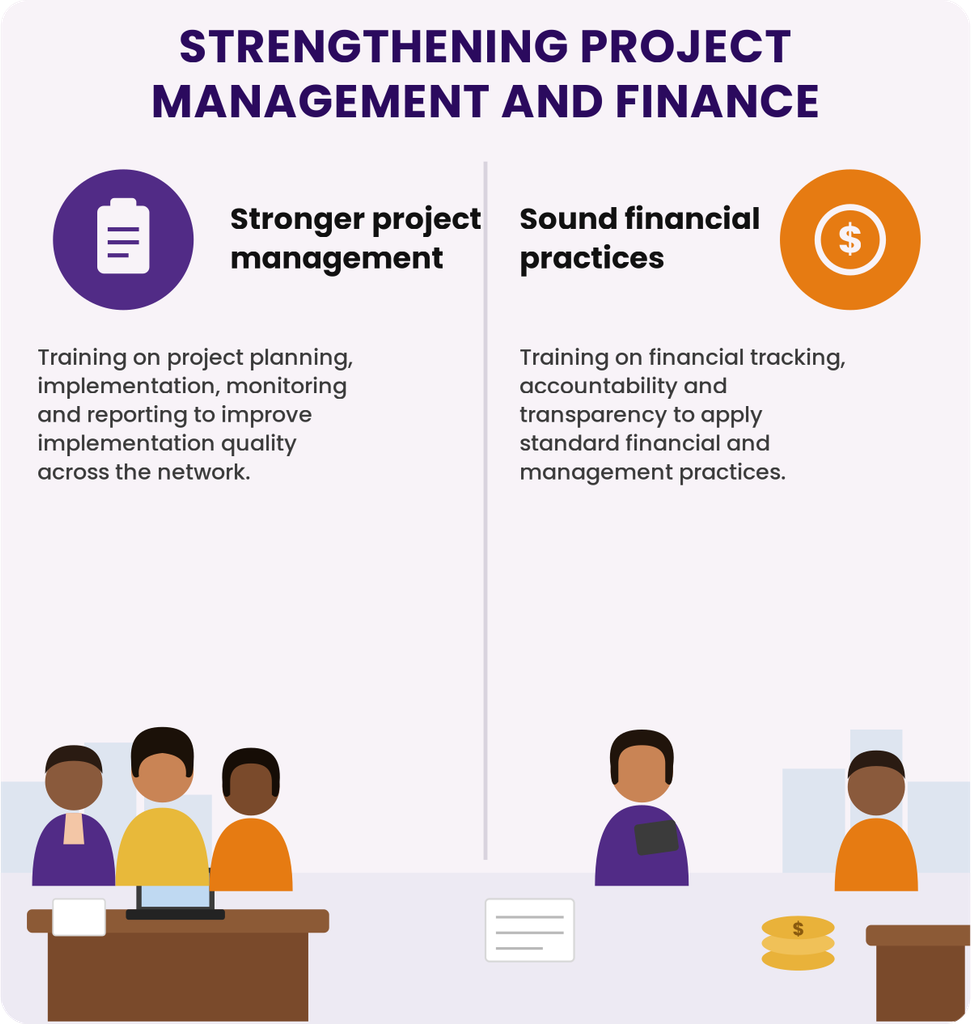
Strengthening Project Management and Financial Standards

ENWS invested in strengthening the organizational systems of its member organizations through training on project management and standard financial practices.

The training equipped participants with practical knowledge in project planning, implementation, monitoring, reporting, financial tracking, accountability, and transparency.

It strengthened members’ ability to manage projects more effectively, improve implementation quality, and apply standard financial and management practices across the network.
Empowering Shelters Through Capacity Building

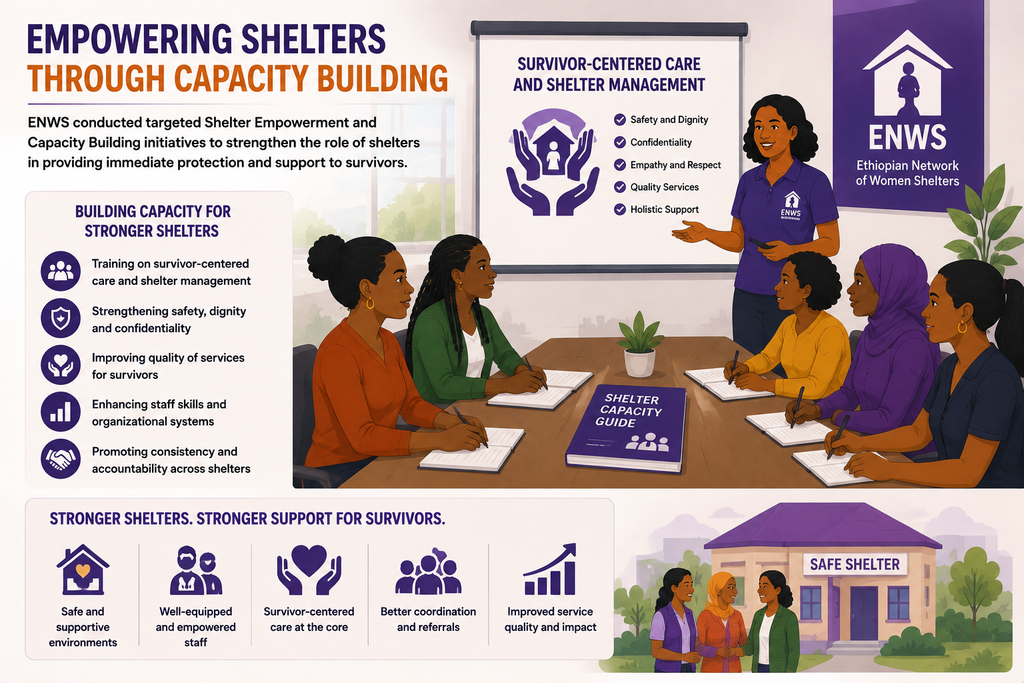
Recognizing the critical role of shelters in providing immediate protection and support to survivors, ENWS conducted targeted Shelter Empowerment and Capacity Building initiatives.

The initiative supported member shelters with training on survivor-centered care and shelter management, contributing to improved service quality, strengthened staff capacity, and greater consistency in survivor-centered support across participating shelters.
Building Stronger Advocacy and Policy Engagement

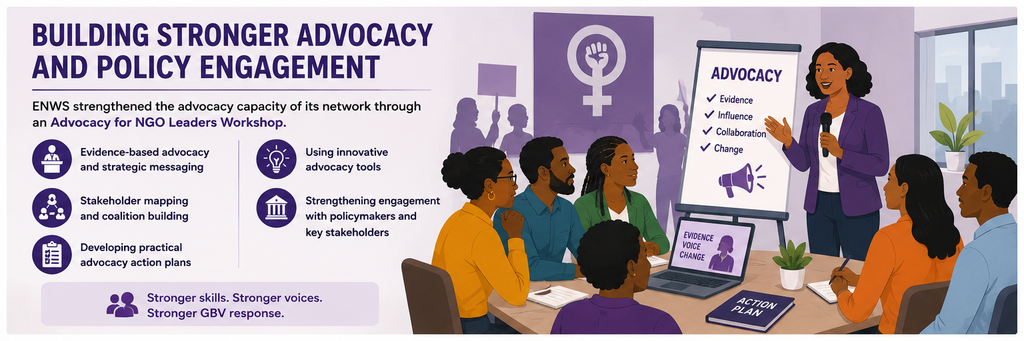
ENWS strengthened the advocacy capacity of its network through an Advocacy for NGO Leaders Workshop focused on evidence-based advocacy, stakeholder mapping, strategic messaging, coalition building, and innovative advocacy tools.

Participants developed practical advocacy action plans to strengthen engagement with policymakers and other influential stakeholders.

ENWS also conducted advocacy training that strengthened staff and members’ understanding of advocacy concepts, planning, messaging, coalition building, and evidence-based approaches to influencing GBV policy and practice.
Engaging Men and Communities to Prevent GBV

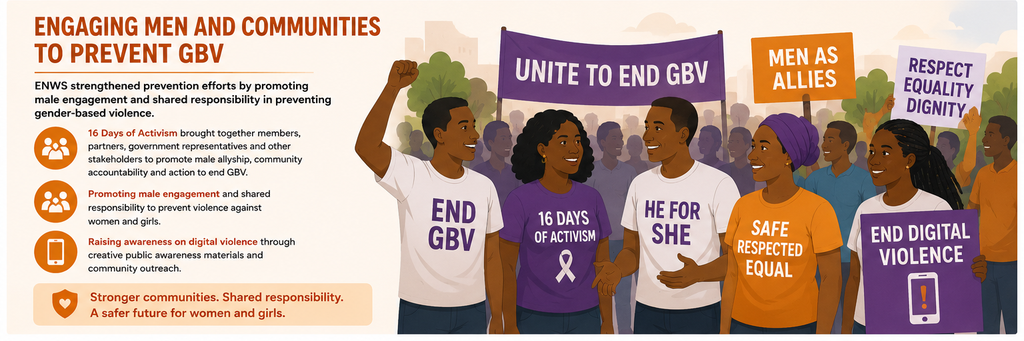
ENWS strengthened its prevention work by promoting male engagement and shared responsibility in preventing gender-based violence.

Through its 16 Days of Activism activities, ENWS brought together members, partners, government representatives, and other stakeholders to promote male allyship, community accountability, and action to prevent violence against women and girls.

The campaign also focused on digital violence against women and girls, using public awareness activities and communication materials to highlight emerging forms of violence facilitated through digital platforms.
Digitalizing GBV Case Management

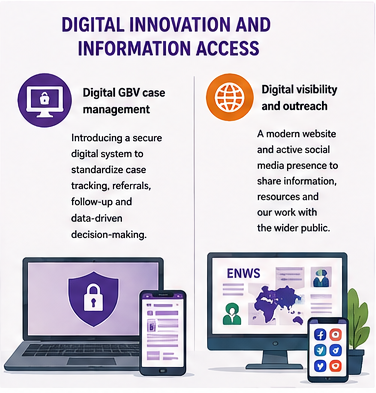
One of ENWS’s major achievements has been the development and operationalization of a digital GBV case management system.

Using KoboToolbox, ENWS digitalized case management across its member organizations and strengthened standardized case documentation, tracking, reporting, referrals, and follow-up.

Staff were trained in the use of the system, which operates through a secure access mechanism to protect sensitive survivor information. The digital system provides ENWS with a stronger foundation for data-driven decision-making while strengthening confidentiality and coordination in survivor-centered case management.

Expanding Digital Visibility and Public Access to Information

ENWS also strengthened its organizational visibility and communication through the development of a modern and fully operational website and an expanded social media presence.

The initiative improved the way ENWS communicates its work, member organizations, GBV services, advocacy activities, and resources to the public. The digital platform was developed to support accessibility, ease of navigation, security, information sharing, and organizational visibility.
Taking GBV Advocacy to National Television

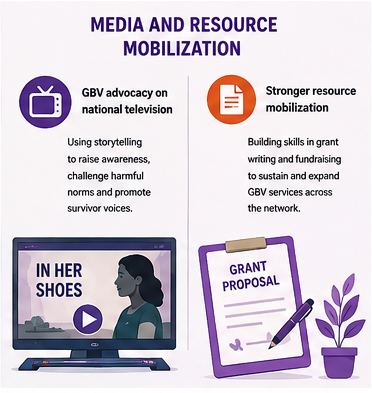
ENWS expanded public awareness and advocacy through the national media campaign “In Her Shoes.”

Implemented in collaboration with Hagere TV, the campaign produced a mini-documentary series highlighting ENWS’s work, survivor experiences, and the realities of gender-based violence in Ethiopia.

The campaign used storytelling and public engagement to promote awareness, empathy, gender equality, and understanding of GBV prevention and response.

The broader media advocacy effort also aimed to inform communities about GBV prevention, survivor support, reporting channels, and the importance of comprehensive and multi-sectoral services.

Strengthening Grant Writing and Resource Mobilization

To help sustain GBV services and strengthen members’ organizational resilience, ENWS conducted Grant Proposal Writing Training for network members.

The training strengthened participants’ skills in concept note development, logical frameworks, budgeting, donor analysis, results-based planning, fundraising calendars, and gender-responsive budgeting.

The initiative enhanced members’ ability to identify funding opportunities, prepare competitive proposals, and mobilize resources to sustain and expand GBV response services.
Strengthening Coordination Among GBV Service Providers

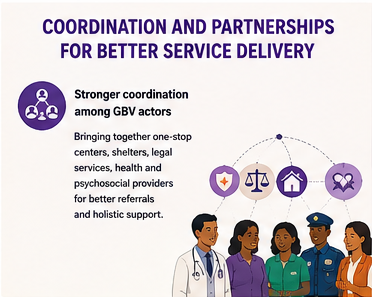
ENWS worked to improve coordination among one-stop centers, shelters, legal service providers, health professionals, psychosocial service providers, and government institutions.

Capacity-building activities brought together professionals from medical, psychosocial, legal, justice, and coordination structures to strengthen collaboration and improve referral pathways.

These efforts contributed to more coordinated and holistic survivor support and reinforced the importance of effective multi-sectoral case management.

ENWS also reported that its training and advocacy efforts contributed to strengthening one-stop centers and expanding access to integrated GBV services.
Building Private-Sector Partnerships for Survivor Economic Empowerment

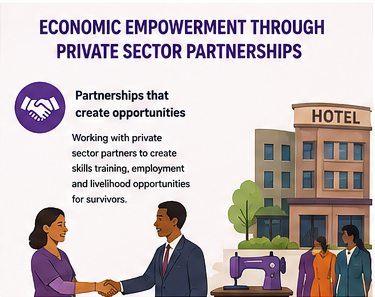
ENWS expanded its work with the private sector to create opportunities for survivor rehabilitation, reintegration, and economic empowerment.

Through engagement with private-sector leaders, ENWS promoted corporate social responsibility initiatives supporting survivors to access employment, skills training, and livelihood opportunities.

Partnerships with MT Design and Bellevue Hotel created opportunities for skills development and employment for survivors, demonstrating the value of private-sector engagement in supporting long-term recovery and economic independence.

ENWS also expanded its engagement with the Addis Ababa and Ethiopian Chambers of Commerce to strengthen private-sector partnerships and resource mobilization.
Generating Evidence on GBV in Conflict-Affected Areas

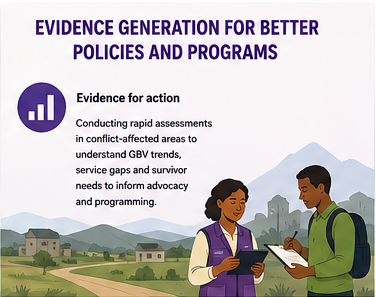
ENWS conducted a Rapid Assessment on GBV in Conflict-Affected Areas to generate updated evidence to inform advocacy, programming, and policy engagement.

The assessment covered Amhara, Oromia, Tigray, and Benishangul-Gumuz regions and used KoboToolbox for digital data collection and monitoring.

The assessment generated evidence on the magnitude and patterns of GBV and highlighted gaps in existing responses, creating an important foundation for evidence-based advocacy and future interventions.
Supporting the Well-Being of Frontline Responders

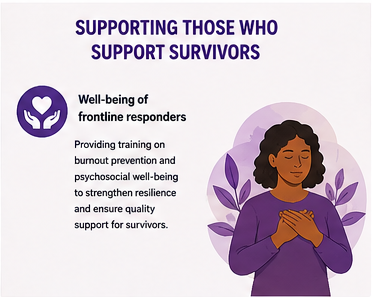
ENWS also recognized that effective survivor-centered services require healthy, resilient, and supported frontline workers.

The organization conducted burnout prevention and psychosocial well-being training for shelter staff, counselors, case management officers, and frontline responders to strengthen staff resilience and mental health support capacities.
Convening National Dialogue on GBV in Conflict-Affected Settings

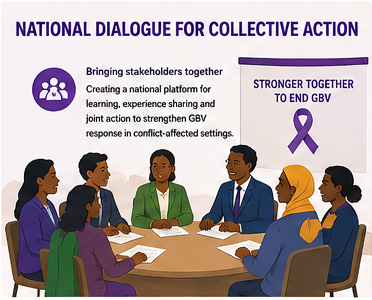
ENWS organized a National Dialogue Workshop on GBV in conflict-affected settings, bringing together key stakeholders to promote knowledge sharing, coordination, and collective action.

The dialogue created space for stakeholders to reflect on challenges, share evidence and experiences, and identify priorities for strengthening GBV prevention and response in conflict-affected communities.
Learning from Thailand: Strengthening Survivor-Centered GBV Services

Continuing its commitment to learning and improving service delivery, ENWS organized and participated in an exchange visit to Bangkok, Thailand, in July 2026, bringing together ENWS representatives and Thai counterparts to exchange experiences on integrated, survivor-centered, and gender-responsive approaches to GBV prevention and response.

The exchange provided an opportunity to explore Thailand’s approaches to integrated, survivor-centered, and gender-responsive GBV prevention and response. Participants engaged with government institutions, health facilities, legal authorities, and civil society organizations involved in coordinated GBV services.

Learning from the National Social Help Center:- Hotline 1300

The delegation visited Thailand’s National Social Help Center (Hotline 1300) to learn about its centralized referral and emergency response mechanism.

The center operates around the clock and coordinates with hospitals, police, shelters, social workers, and legal institutions. ENWS representatives learned about case intake, registration, referrals, confidentiality, data management, emergency response, and follow-up systems.

Learning from the One-Stop Crisis Center at Pathum Thani Hospital

At Pathum Thani Hospital’s One-Stop Crisis Center, the delegation learned about an integrated model bringing together emergency medical care, psychosocial support, forensic examination, legal assistance, social welfare, shelter referrals, case management, and follow-up services.

The visit demonstrated how professionals from different sectors can work together while maintaining survivor confidentiality and dignity.

Exchange on Shelter Services and Women’s Empowerment

The delegation also engaged with the Women and Men Progressive Movement Foundation, exchanging experiences on survivor-centered services, women’s empowerment, and approaches to supporting women affected by violence.

The wider exchange highlighted the importance of economic empowerment, vocational training, psychosocial support, and long-term reintegration in helping survivors rebuild their lives.

Strengthening Access to Justice

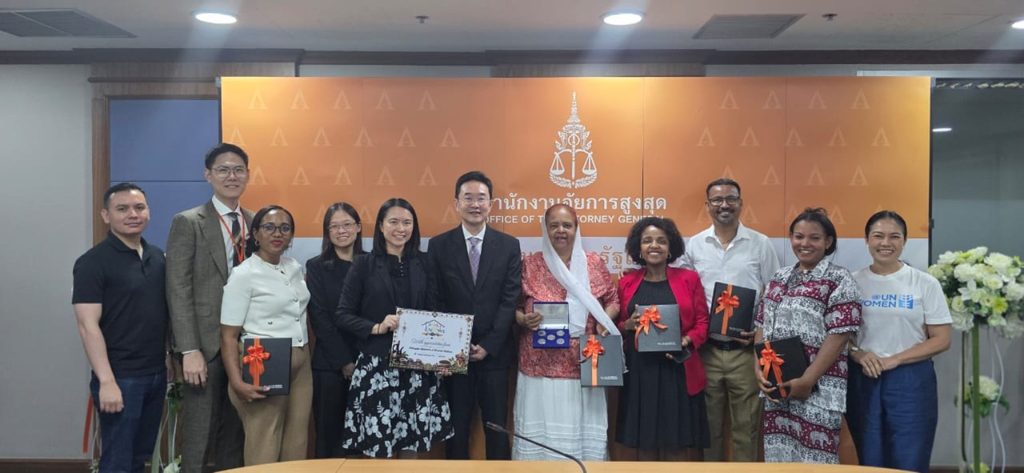
ENWS also engaged with Thailand’s Office of the Attorney General to learn about legal frameworks, criminal investigation, victim protection, evidence collection, witness protection, inter-agency coordination, and access to justice and legal aid.
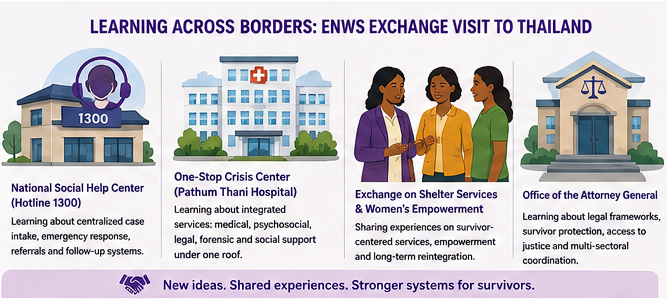
The exchange reinforced the importance of integrated services, effective referral mechanisms, survivor empowerment, strong multi-sectoral coordination, and investment in social and behavioral change lessons that can contribute to strengthening GBV response systems in Ethiopia.

A Stronger National GBV Response Network

Taken together, these achievements have strengthened ENWS’s role as a national coalition advancing a coordinated, feminist, survivor-centered response to gender-based violence.

The project has contributed to improved shelter service standards and survivor-centered care, stronger advocacy and policy engagement, enhanced national awareness, improved coordination among GBV service providers, and increased use of evidence and digital tools for GBV response and advocacy.

ENWS’s broader engagement has also strengthened relationships with government authorities, community leaders, civil society, private-sector actors, and other stakeholders.

Looking Ahead

While these achievements represent important progress, ENWS recognizes that ending gender-based violence requires sustained commitment, stronger partnerships, continued investment, and long-term systems change.

The organization will continue strengthening the GBV response network, expanding private-sector partnerships and resource mobilization, continuing media and public awareness activities, strengthening digital case management, expanding integrated services, and advocating for policy improvements.

The progress made through these initiatives demonstrates the value of investing in women-led organizations, frontline service providers, evidence-based advocacy, digital innovation, survivor empowerment, and multi-sectoral partnerships.

Together, ENWS and its partners are working toward a stronger, more coordinated and survivor-centered GBV response system one that places the dignity, safety, rights, and empowerment of women and girls at its center.

Ethiopian Network of Women Shelters (ENWS)
Addis Ababa, Ethiopia | 2026
ENWS Strengthens Learning on Integrated GBV Response Through Exchange Visit to Thailand

August 26, 2026/

Bangkok, Thailand | 14–15 July 2026

The Ethiopian Network of Women Shelters (ENWS) organized a two-day exchange visit to Bangkok, Thailand, from 14–15 July 2026, with the participation of eight ENWS representatives. The visit provided an important opportunity for the delegation to learn from Thailand’s experience in delivering integrated, survivor-centered, and gender-responsive services for women and girls affected by gender-based violence (GBV).

Throughout the visit, the delegation engaged with government institutions, health facilities, legal authorities, and civil society organizations working across Thailand's GBV prevention and response system. The exchange created an opportunity to explore practical approaches to coordinated service delivery, referral systems, survivor protection, access to justice, community prevention, and long-term recovery.

Learning from Thailand's Integrated GBV Response System

A key focus of the exchange visit was understanding how different institutions work together to ensure that survivors can access timely and comprehensive support.

The ENWS delegation learned about integrated service delivery models that bring together medical care, psychosocial support, forensic services, legal assistance, social welfare, protection, and referral services. The discussions highlighted the importance of reducing barriers for survivors and strengthening coordination among institutions to avoid unnecessary delays, repeated interviews, and further trauma.

The visit also provided valuable insights into the importance of clear referral pathways, coordinated case management, confidentiality, follow-up mechanisms, and strong partnerships between government institutions and civil society organizations.


Visit to Thailand's National Social Help Center – Hotline 1300

The delegation visited Thailand's National Social Help Center (Hotline 1300), which operates under the Ministry of Social Development and Human Security.

The center serves as a national entry point for people seeking assistance in cases involving gender-based violence, domestic violence, child abuse and neglect, human trafficking, elder abuse, and other social emergencies.

Operating 24 hours a day, the hotline coordinates with hospitals, police, shelters, social workers, and legal institutions to facilitate timely support and referrals.

During the visit, ENWS representatives learned about the center's case intake and registration procedures, referral pathways, confidentiality protocols, data management systems, emergency response mechanisms, and follow-up processes.

The experience offered important lessons on how centralized coordination and referral mechanisms can strengthen access to support services for survivors.

Photo caption: ENWS delegation visiting Thailand’s National Social Help Center (Hotline 1300), where they learned about the country’s centralized case intake, emergency response, referral coordination, and follow-up system for survivors of GBV and other social emergencies.


Exploring Integrated Services at Pathum Thani Hospital

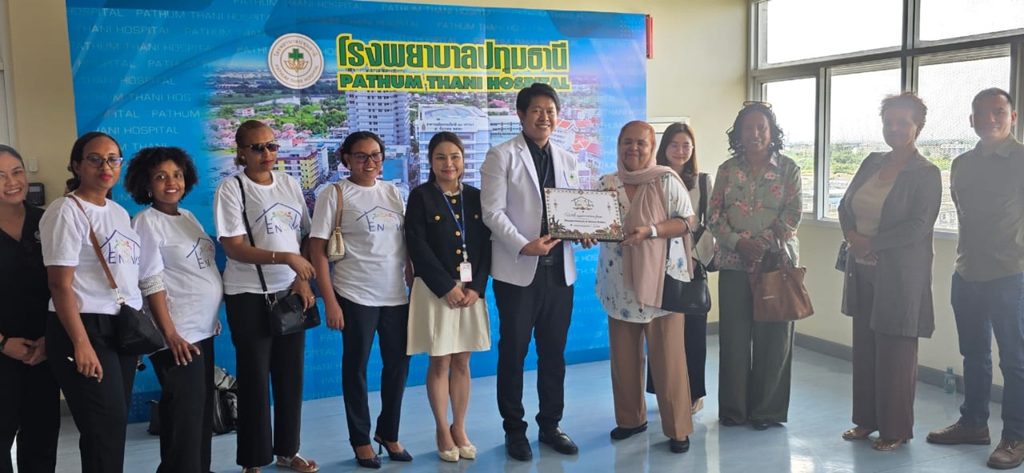
The delegation also visited the One-Stop Crisis Center (OSCC) at Pathum Thani Hospital to learn about Thailand's integrated approach to supporting survivors of violence.

The center provides a range of services, including emergency medical treatment, psychological support and counseling, forensic examinations, legal assistance, social welfare services, shelter referrals, case management, and follow-up support.

During the visit, participants observed how professionals from different sectors—including doctors, nurses, psychologists, social workers, police officers, and legal professionals—work together to provide coordinated and survivor-centered support while protecting survivors' confidentiality and dignity.

The visit demonstrated how integrated service delivery can reduce barriers and make it easier for survivors to access essential services.

Photo 1: ENWS delegation visiting the One-Stop Crisis Center at Pathum Thani Hospital and learning about Thailand's integrated, multi-sectoral response to violence against women and girls.


Learning from APSW's Work on Shelter, Empowerment and Reintegration

Another important part of the exchange visit was the delegation's engagement with the Association for the Promotion of the Status of Women (APSW) and its partners.

APSW provides a range of services for women and children affected by violence, including emergency shelter, temporary accommodation, vocational and livelihood training, legal counseling, psychosocial support, educational programs, community awareness activities, and reintegration support.

Discussions focused on shelter management, survivor empowerment, economic reintegration, community engagement, and case management practices.

The exchange highlighted the importance of ensuring that survivors receive not only immediate protection and support but also opportunities to rebuild their lives through economic independence, skills development, psychosocial recovery, and long-term social reintegration.

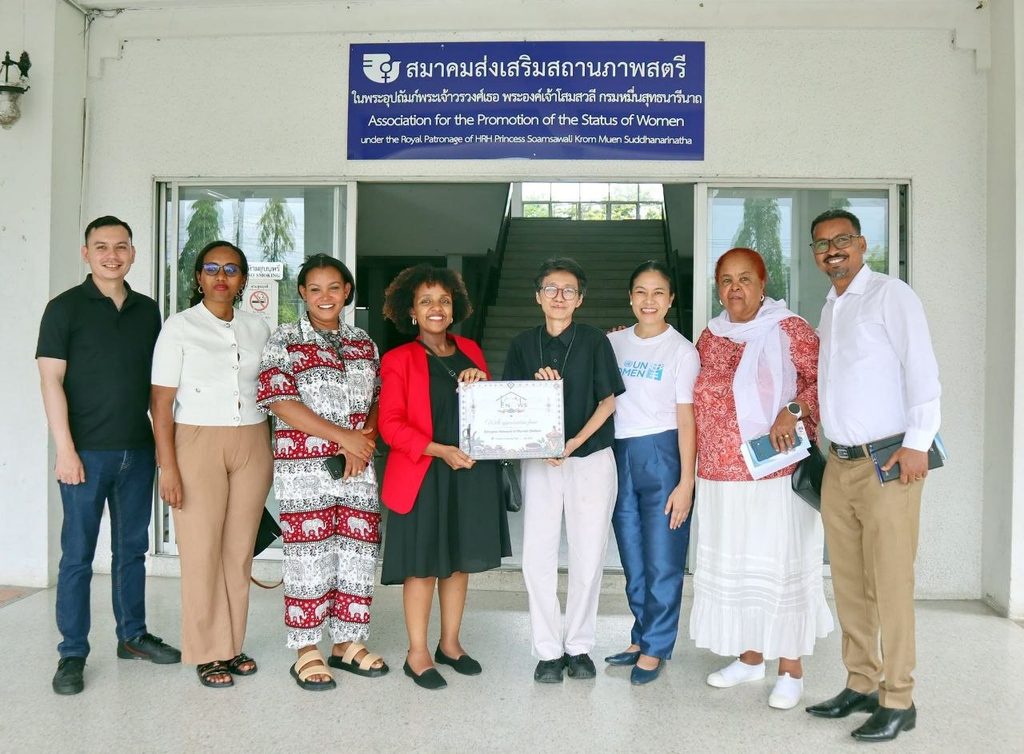
Photo 2: ENWS delegation members meeting with APSW and partner organizations to exchange experiences on shelter services, survivor empowerment, and reintegration programs.

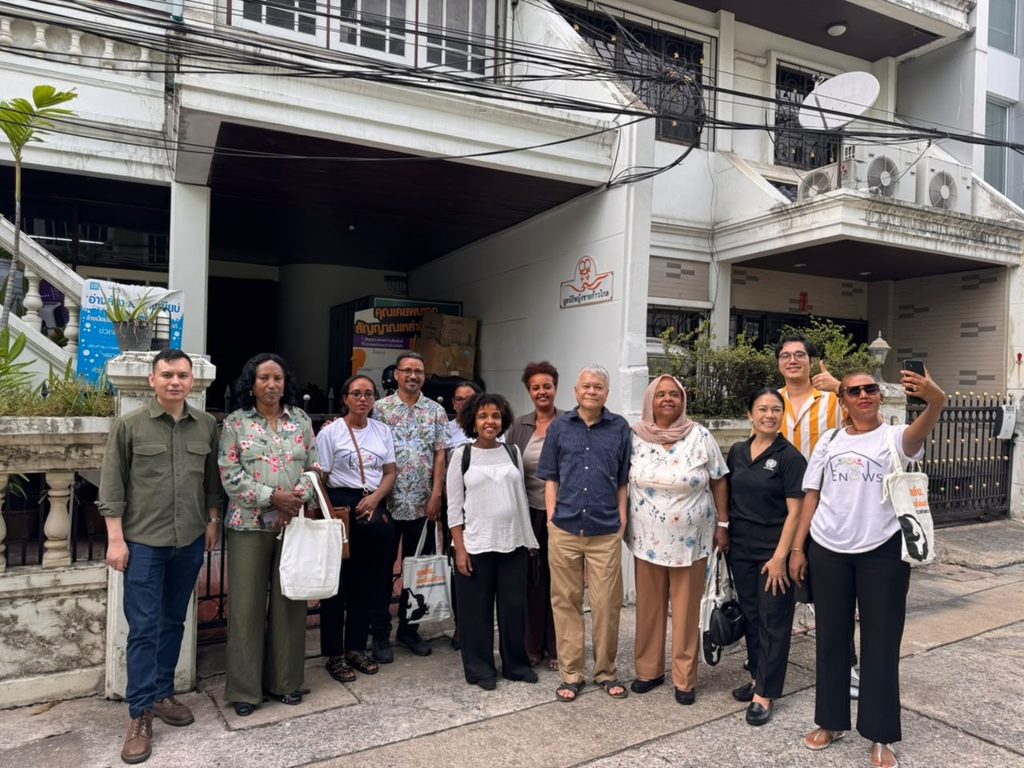
Photo 3: Group photo of the ENWS delegation and representatives of the Women and Men Progressive Movement Foundation following an engagement and experience-sharing session on survivor-centered services and women’s empowerment.


Strengthening Access to Justice and Survivor Protection

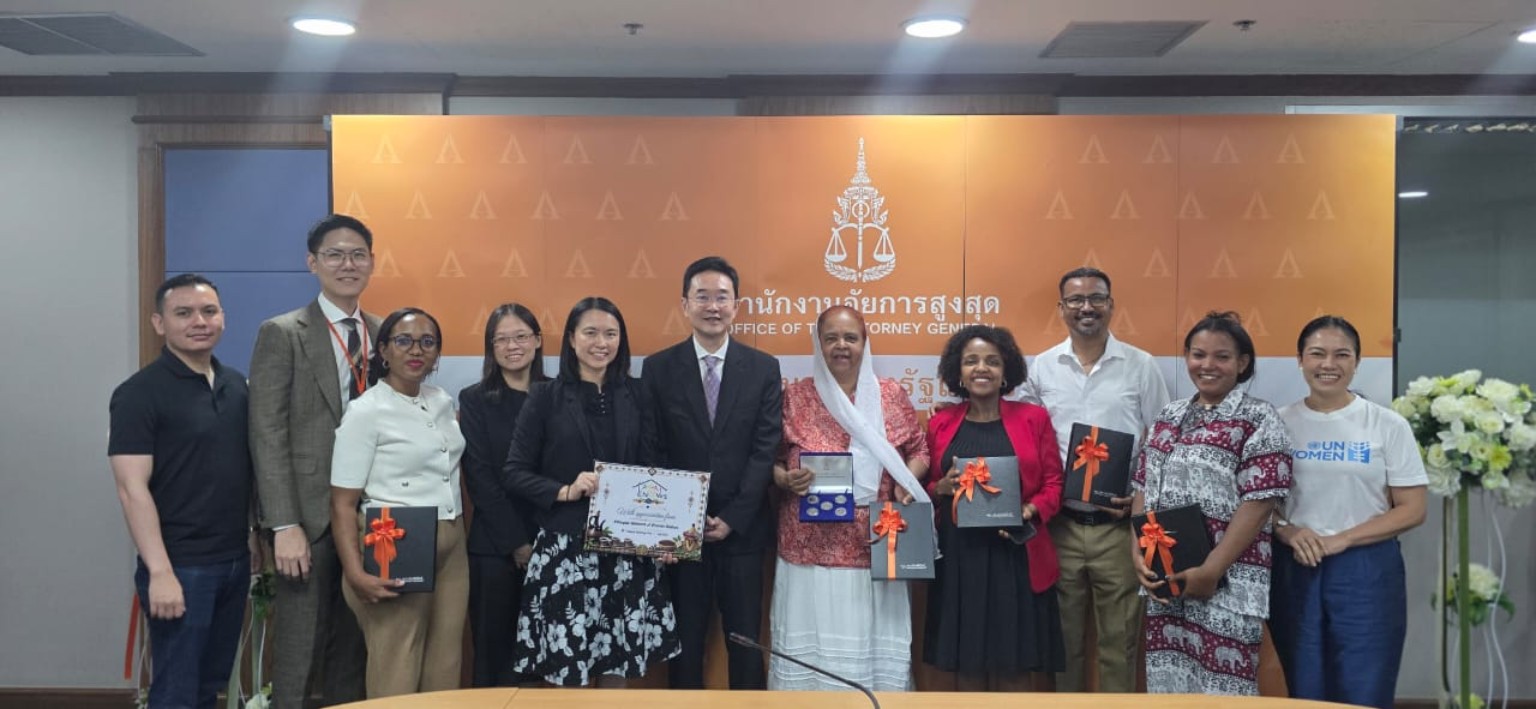
The ENWS delegation also met with officials from Thailand's Office of the Attorney General to gain a deeper understanding of the country's legal response to gender-based violence.

The discussions covered legal frameworks and policies, criminal investigation procedures, victim protection measures, evidence collection and documentation, witness protection, inter-agency coordination, and access to justice and legal aid.

The exchange emphasized the importance of close collaboration among prosecutors, police, hospitals, shelters, social workers, and other service providers to ensure that survivors receive effective protection and can access justice.

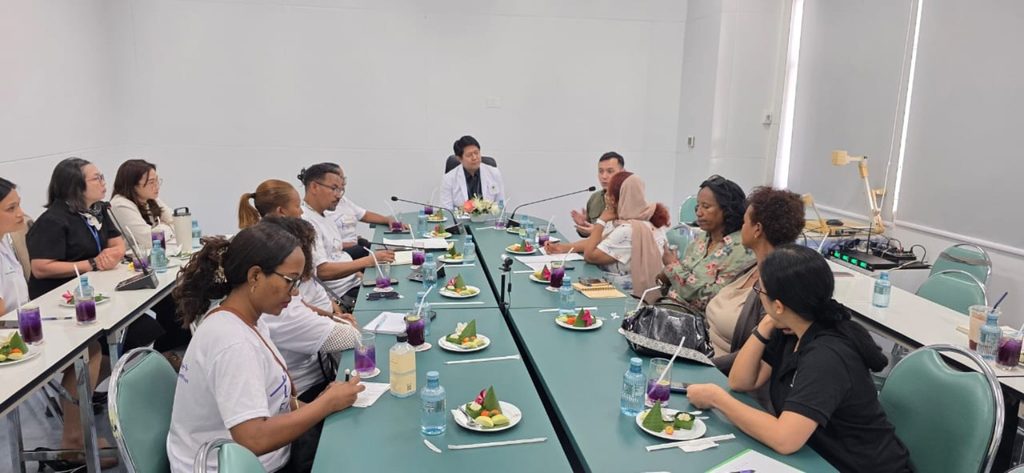
Photo 4: ENWS delegation members engaging in discussions with representatives of Thailand's legal institutions (Thailand’s Office of the Attorney General) on survivor protection, access to justice, and multi-sectoral coordination.


Key Lessons for Strengthening GBV Response in Ethiopia

The exchange visit generated important reflections that can contribute to ENWS's ongoing work to strengthen GBV prevention and response in Ethiopia.

Among the key lessons were the importance of:

  • Strengthening integrated and one-stop services to improve survivors' access to medical, psychosocial, legal, and protection support.
  • Improving referral pathways and case management systems to strengthen coordination among service providers.
  • Exploring the value of a centralized national GBV hotline to improve access to information, reporting, referrals, and emergency support.
  • Enhancing multi-sectoral coordination among government institutions, health facilities, shelters, law enforcement agencies, legal institutions, and civil society organizations.
  • Promoting survivor empowerment and economic reintegration through vocational training, livelihood opportunities, and psychosocial support.
  • Investing in long-term behavioral and social norm change by engaging communities, women, men, boys, schools, religious leaders, and other community structures in preventing violence.

The visit also reinforced the understanding that sustainable progress in preventing gender-based violence requires more than legal protection and service provision. Addressing harmful gender norms, unequal power relations, and behaviors that perpetuate violence is equally important.

Moving Forward

The two-day exchange visit provided ENWS with valuable practical lessons and opportunities for experience-sharing. The knowledge gained from Thailand’s coordinated and survivor-centered approach will contribute to ENWS’s continued efforts to strengthen shelter services, improve referral systems, enhance multi-sectoral coordination, promote survivor protection and empowerment, and advocate for stronger GBV prevention and response mechanisms in Ethiopia.

ENWS extends its appreciation to the government institutions, health professionals, legal authorities, APSW, and other partners in Thailand who generously shared their experiences and expertise with the delegation and contributed to this important learning opportunity.

Through continued learning, partnership, and innovation, ENWS remains committed to advancing a more coordinated, accessible, survivor-centered, and gender-responsive response to gender-based violence in Ethiopia.The two-day exchange visit provided ENWS with valuable practical lessons and opportunities for experience-sharing. The knowledge gained from Thailand's coordinated and survivor-centered approach will contribute to ENWS's continued efforts to strengthen shelter services, improve referral systems, enhance multi-sectoral coordination, promote survivor protection and empowerment, and advocate for stronger GBV prevention and response mechanisms in Ethiopia.

Ethiopian Network of Women Shelters (ENWS)

Irregular Migration and Human Trafficking: A Growing Protection Concern in Ethiopia

May 8, 2026/

Irregular migration and human trafficking continue to be serious and interconnected protection challenges in Ethiopia and across the Horn of Africa. Each year, many Ethiopians particularly youth, women, and men undertake migration journeys in search of better employment opportunities, safety, and improved living conditions. While migration can be a positive pathway, irregular and unsafe movement through unregulated routes significantly increases the risk of exploitation and trafficking.

Human trafficking is a grave human rights violation and a criminal offense that involves the recruitment, transportation, transfer, harboring, or receipt of persons through force, deception, or coercion for the purpose of exploitation. This exploitation may include forced labor, domestic servitude, sexual exploitation, child trafficking, forced marriage, and other forms of modern slavery. Trafficking can occur both within Ethiopia and across international borders.

In Ethiopia, irregular migration is often driven by multiple factors, including unemployment, poverty, limited access to livelihood opportunities, and in some areas, social and economic instability. Conflict and displacement in different parts of the country also remain key drivers, forcing many individuals and families to move in search of safety and survival. As a result, many people become vulnerable to unsafe migration and exploitation.

Many individuals rely on informal brokers or unregulated recruitment agents, who often present false promises of employment abroad or in urban centers. In reality, these arrangements frequently lead to situations of exploitation, debt bondage, and trafficking.

Criminal networks increasingly use deceptive methods to recruit victims, including fake job advertisements, informal travel arrangements, and social media platforms. Once in transit or upon arrival at their destination, many migrants find themselves trapped in abusive working conditions, with confiscated travel documents, restricted freedom of movement, and threats or violence that prevent them from escaping.

The impact of trafficking is severe and long-lasting. Survivors often suffer physical injuries, psychological trauma, sexual and reproductive health complications, and deep emotional distress. Many also face stigma and social exclusion upon return, making recovery and reintegration difficult without structured support.

Beyond individual harm, human trafficking undermines community stability, weakens social protection systems, and contributes to organized crime. It remains a complex issue that requires sustained prevention, protection, and coordinated response.

In response, organizations working in Ethiopia, including civil society networks, shelters, and protection actors such as the Ethiopian Network of Women’s Shelters (ENWS), play a critical role in addressing both prevention and response. ENWS works in collaboration with relevant government institutions, civil society organizations, and national and international partners to strengthen coordinated initiatives against trafficking and unsafe migration.

These efforts include community awareness raising on safe migration, identification and referral of survivors, provision of emergency shelter and psychosocial support, legal assistance, and coordination with relevant stakeholders to ensure comprehensive protection services.

Strengthening safe and legal migration pathways, expanding access to accurate migration information, and improving livelihood opportunities are key preventive measures. At the same time, ensuring survivor-centered protection services is essential for recovery, dignity, and long-term reintegration.

Ultimately, addressing irregular migration and human trafficking in Ethiopia requires collective and coordinated action. Communities, institutions, and partners must work together to reduce vulnerabilities, prevent exploitation, and protect the rights and dignity of all individuals on the move.

Load More

End of Content.