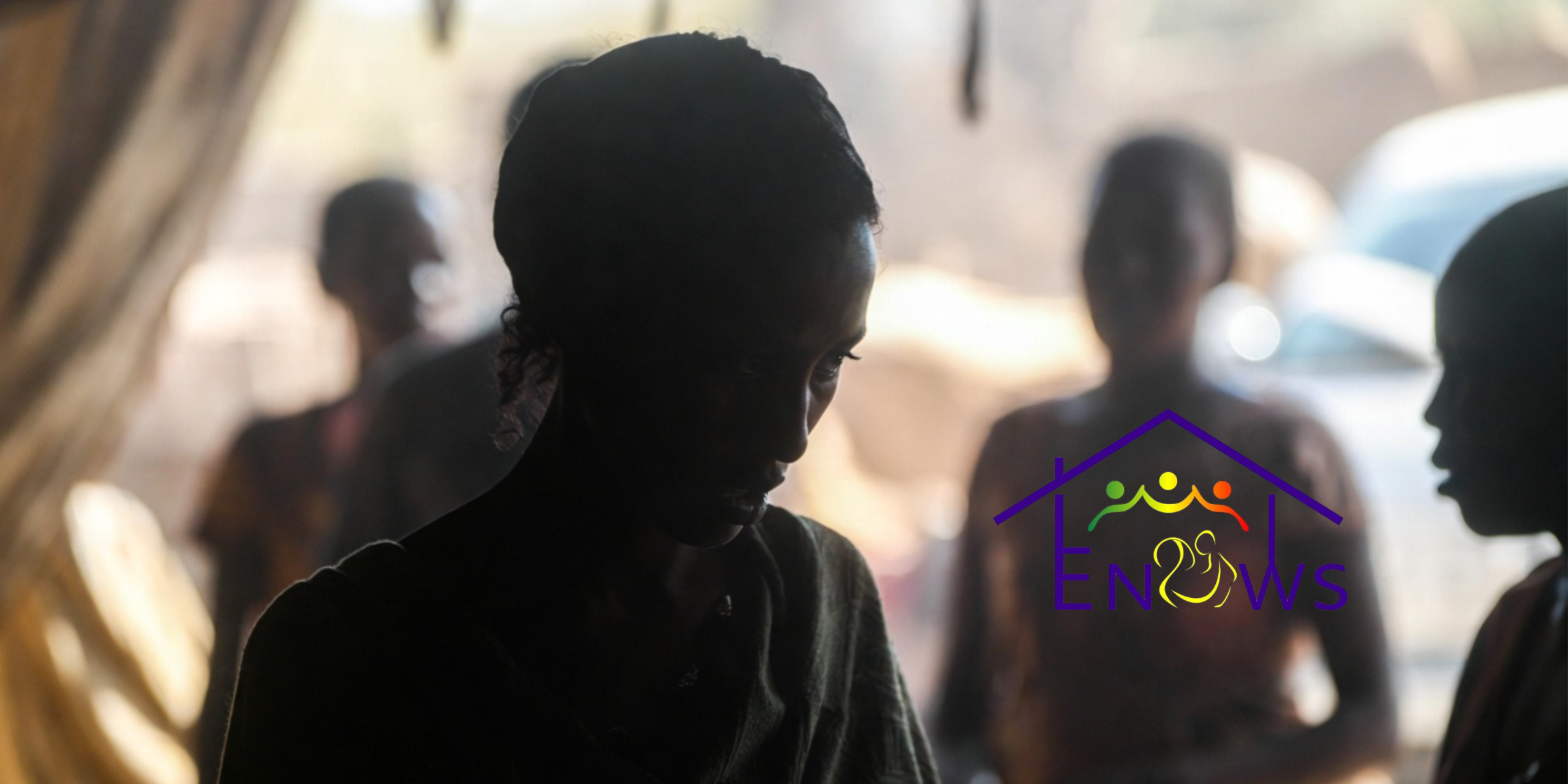
The Cost of Silence
Silence is often mistaken for peace. In the context of gender-based violence (GBV), silence is not neutral it is harmful. It allows abuse to continue, protects perpetrators, and isolates survivors. The cost of silence is paid in broken lives, weakened communities, and lost opportunities for justice and healing.
Gender-based violence thrives where silence exists. When violence is treated as a private issue or hidden behind social norms and fear, it becomes normalized. Survivors are discouraged from speaking out, and perpetrators operate without accountability. Silence turns violence into an invisible crisis, even though its impact is widespread and devastating.
For survivors, silence carries a heavy burden. Fear of stigma, blame, retaliation, or rejection forces many women and girls to endure violence alone. The consequences are profound physical injury, psychological distress, disrupted education, loss of income, and long-term trauma. When survivors are not believed or supported, violence does not end; it multiplies.
Silence also weakens protection and justice systems. Underreporting masks the true scale of GBV, leading to inadequate policies, limited funding, and insufficient services. Without accurate data and survivor voices, prevention efforts remain weak and response systems fail to reach those most in need.
In conflict-affected and humanitarian settings, the cost of silence is even greater. Displacement, insecurity, and the breakdown of community protection mechanisms increase the risk of GBV, while access to services becomes more limited. In such contexts, silence does not mean safety it means increased vulnerability.
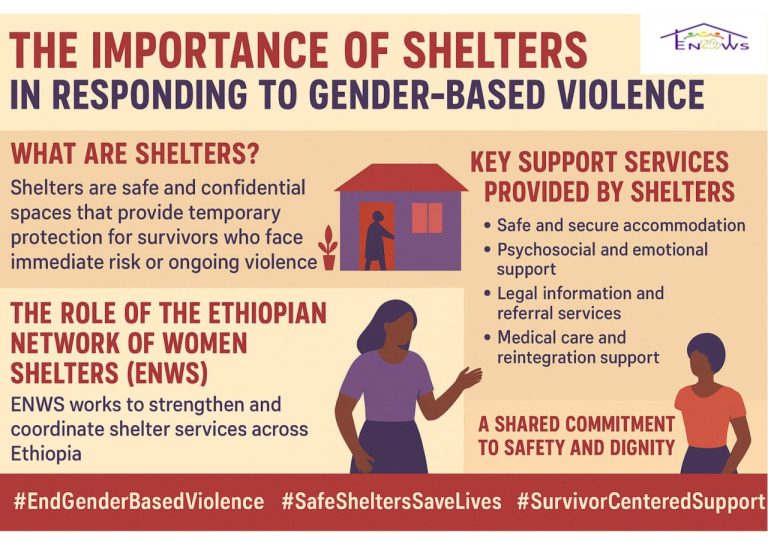
The Ethiopia Network of Women Shelters (ENWS) stands against this silence. ENWS works to ensure that survivors of gender-based violence are not alone, unheard, or unprotected. Through shelter services, coordinated referrals, advocacy, and partnership with government and humanitarian actors, ENWS supports survivor-centered responses that prioritize safety, dignity, and choice.
ENWS believes that breaking the silence does not mean forcing survivors to speak. It means creating safe spaces where survivors can access protection, care, and justice without fear. It means strengthening systems that listen, respond, and act. It also means challenging social norms that excuse violence and silence those who experience it.
Ending gender-based violence begins with ending silence. When survivors are supported, communities are stronger. When institutions act, accountability becomes possible. And when silence is replaced with collective responsibility, gender-based violence can no longer hide in the shadows.
Silence has a cost but so does inaction. ENWS calls on communities, institutions, and partners to listen, respond, and act to end gender-based violence.