News

  • All Posts
  • #16Days
  • #16DaysOfActivism
  • #AccessibleServices
  • #AWSAD
  • #BreakTheSilence
  • #BreakTheSilenceEthiopia
  • #CapacityBuilding
  • #ChildrenInConflict
  • #CommunityAction
  • #CommunityAgainstViolence
  • #CommunityLeadership
  • #CommunityStrength
  • #Day8
  • #Dec3
  • #DignityAndProtection
  • #DignityForAll
  • #DisabilityInclusion
  • #EmpowerGirlsEthiopia
  • #EndDigitalViolence
  • #EndGBV
  • #EndGBVEthiopia
  • #EndGBVInEthiopia
  • #EndGenderBasedViolence
  • #EndHIV
  • #EndVAW
  • #EndVAWG
  • #EndViolenceNow
  • #ENWS
  • #ENWSForChange
  • #EqualityDignityJustice
  • #EqualityForAll
  • #Ethiopia
  • #EthiopiaForHumanRights
  • #EthiopiaNGOs
  • #EveryContributionMatters
  • #FaithForJustice
  • #GBVAwareness
  • #GBVPrevention
  • #GBVResponse
  • #GenderEquality
  • #GoodSamaritanEthiopia
  • #GrantProposalWriting
  • #HealthForAll
  • #HerSafetyOurFuture
  • #HumanitarianProtection
  • #HumanRightsDay2025
  • #HumanRightsDaySeries
  • #HumanRightsEthiopia
  • #HumanRightsForAll
  • #InclusionIsProtection
  • #InternationalDayOfPersonsWithDisabilities
  • #InternationalSheltersDay
  • #InternationalVolunteerDay
  • #JusticeForAll
  • #LeaveNoOneBehind
  • #MentalHealthSupport
  • #NGOTraining
  • #NoExcuse
  • #NoExcuseForOnlineAbuse
  • #NoMoreSilence
  • #NoPlaceForViolence
  • #OrangeTheWorld
  • #OrganizationalDevelopment
  • #OurEverydayEssentials
  • #PartnershipsForImpact
  • #PeaceForWomenAndChildren
  • #PreventViolence
  • #ProtectEveryChild
  • #ProtectEveryGirl
  • #ProtectHer
  • #ProtectHumanRights
  • #ProtectionServices
  • #ProtectWomenAndChildren
  • #ProtectWomenAndGirls
  • #ProtectWomenAndGirlsWithDisabilities
  • #PsychosocialSupport
  • #RightToSafety
  • #SafeCommunities
  • #SafeMigration
  • #SafeSheltersSaveLives
  • #SafeSpaces
  • #SafetyAndDignity
  • #StandUp4HumanRights
  • #StandWithSurvivors
  • #StopGBV
  • #StopIrregularMigration
  • #StopViolence
  • #StopViolenceAgainstChildren
  • #StopViolenceAgainstWomen
  • #StrongerTogether
  • #SupportSurvivors
  • #SupportWomenAndGirls
  • #SurvivorCare
  • #SurvivorCenteredSupport
  • #SurvivorVoicesMatter
  • #TogetherForAViolenceFreeFuture
  • #TogetherWeRise
  • #UNiTE
  • #VolunteerForChange
  • #WhiteRibbon
  • #WomenAndChildrenFirst
  • #WomenEmpowerment
  • #WomenInConflict
  • #WomensRights
  • #WomensRightsAreHumanRights
  • #WomenWithDisabilities
  • #WorldAIDSDay
  • 16Days
  • EndGBV
  • ENWS
  • Ethiopia
  • GenderEquality
  • GoodSamaritanAssociation
  • InternationalMigrantsDay
  • MigrantProtection
  • MigrantRights
  • ProtectMigrants
  • SafeMigration
  • WomenOnTheMove
Backward Traditions and Gender-Based Violence: Time to Break the Silence

February 16, 2026/

Culture is a powerful force. It shapes identity, strengthens communities, and connects generations. Many traditions promote unity, respect, and shared values. However, when certain practices harm women and girls, deny them their rights, or justify violence, they must be confronted and transformed. What are often described as “backward traditions” are, in reality, deeply rooted forms of Gender-Based Violence (GBV).

Understanding the Link Between Tradition and Violence

According to UN Women, Gender-Based Violence refers to harmful acts directed at individuals based on their gender. It includes physical, sexual, psychological, and economic abuse. GBV is rooted in unequal power relations and harmful gender norms that place women and girls in subordinate positions.

When traditions reinforce ideas that women must be controlled, silenced, or valued only for marriage and reproduction, those traditions become tools of violence.

Female Genital Mutilation: A Harmful Practice Disguised as Culture

World Health Organization defines Female Genital Mutilation (FGM) as procedures that intentionally alter or injure female genital organs for non-medical reasons. Often justified as a rite of passage, a requirement for marriage, or a way to preserve purity, FGM is a clear violation of girls’ bodily autonomy.

FGM has no health benefits. Instead, it causes severe pain, infections, childbirth complications, and long-term psychological trauma. Most importantly, it is performed because of beliefs about controlling female sexuality and maintaining social acceptance. This makes FGM not only a harmful traditional practice but also a clear form of GBV.

Child Marriage and Bride Abduction: Denying Girls Their Future

Child marriage and bride abduction are other practices closely linked to GBV. These practices end girls’ education, expose them to early pregnancy, and increase their risk of domestic and sexual violence. Girls forced into marriage are often denied the opportunity to make decisions about their own lives.

Such practices are rooted in the belief that girls are economic burdens or assets for exchange, rather than individuals with rights, dreams, and potential. This mindset reinforces inequality and perpetuates cycles of poverty and violence.

Domestic Violence Hidden Behind Cultural Norms

In many communities, domestic violence is justified through sayings that normalize male authority and female obedience. Violence within the home is often dismissed as a “private matter.” These beliefs silence survivors and protect perpetrators.

UNICEF highlights that harmful gender norms allow violence to continue across generations. When boys grow up seeing violence accepted, they may repeat it. When girls grow up seeing silence rewarded, they may accept abuse as normal.

Why Harmful Traditions Persist

These practices continue because of social pressure, fear of rejection, economic dependency, and lack of awareness. Families may believe they are protecting their daughters or preserving their culture. But culture is not static. It evolves. Communities around the world have shown that traditions can be reshaped without losing identity.

Protecting women and girls does not destroy culture; it strengthens it.

The Way Forward

Ending backward traditions linked to GBV requires collective action. Community dialogue is essential. Religious leaders, elders, youth, women, and men must work together to challenge harmful norms. Education plays a critical role in empowering girls and changing mindsets. Strong laws must be enforced, and survivors must have access to safe shelters, counseling, and economic opportunities.

Engaging men and boys is equally important. Gender equality benefits entire communities, not just women.

A Call for Transformation

Harmful traditions that cause pain, discrimination, and fear are not culture they are violence. True cultural pride lies in protecting dignity, promoting justice, and ensuring equality.

Breaking the cycle of Gender-Based Violence means creating societies where girls grow up free from fear, women live with dignity, and families are built on respect rather than control. Transforming harmful traditions is not a rejection of culture; it is a step toward a more just and humane future for all.

Across Africa, culture is a source of pride and resilience.Yet millions of girls remain at risk of FGM and child marriage. According to UNFPA and UNICEF, harmful practices continue in several regions despite progress.

Change is happening. Communities are publicly abandoning FGM. Religious leaders are speaking against child marriage. Youth movements are challenging harmful norms.

In Ethiopia, the Constitution guarantees equality between women and men. The Criminal Code criminalizes FGM, early marriage, and abduction. National strategies and civil society efforts have reduced harmful practices in some areas.

But challenges remain. In some communities, FGM is still linked to marriage. Child marriage still interrupts girls’ education. Domestic violence is often underreported.

The problem is not culture itself.It is harmful interpretations of culture that prioritize control over dignity.Transformation in Ethiopia and across Africa means reclaiming positive cultural values.

Respect. Protection. Justice. Community responsibility.

It means enforcing laws. Educating girls. Supporting survivors. Engaging men and religious leaders.

It means saying clearly: violence is not culture.

Harmful traditions that cause pain, discrimination, and fear are not culture; they are violence. True cultural pride lies in protecting dignity, promoting justice, and ensuring equality.

Breaking the cycle of Gender-Based Violence means creating societies where girls grow up free from fear, women live with dignity, and families are built on respect rather than control. Transforming harmful traditions is not a rejection of culture; it is a step toward a more just and humane future for all.

Across Africa, culture is a source of pride and resilience. Yet millions of girls remain at risk of FGM and child marriage. According to UNFPA and UNICEF, harmful practices continue in several regions despite progress.

Change is happening. Communities are publicly abandoning FGM. Religious leaders are speaking against child marriage. Youth movements are challenging harmful norms.

In Ethiopia, the Constitution guarantees equality between women and men. The Criminal Code criminalizes FGM, early marriage, and abduction. National strategies and civil society efforts have reduced harmful practices in some areas.

But challenges remain. In some communities, FGM is still linked to marriage. Child marriage still interrupts girls’ education. Domestic violence is often underreported.

The problem is not culture itself. It is harmful interpretations of culture that prioritize control over dignity. Transformation in Ethiopia and across Africa means reclaiming positive cultural values: respect, protection, justice, and community responsibility.

It means enforcing laws. Educating girls. Supporting survivors. Engaging men and religious leaders.

It means saying clearly: violence is not culture.

A Future Rooted in Dignity

A transformed society is one where:

A girl’s worth is not defined by marriage.
A woman’s body is not controlled by tradition.
A home is a place of safety, not fear.
Culture promotes equality, not discrimination.

Ending GBV and harmful traditional practices is not rejecting heritage.

It is strengthening it.
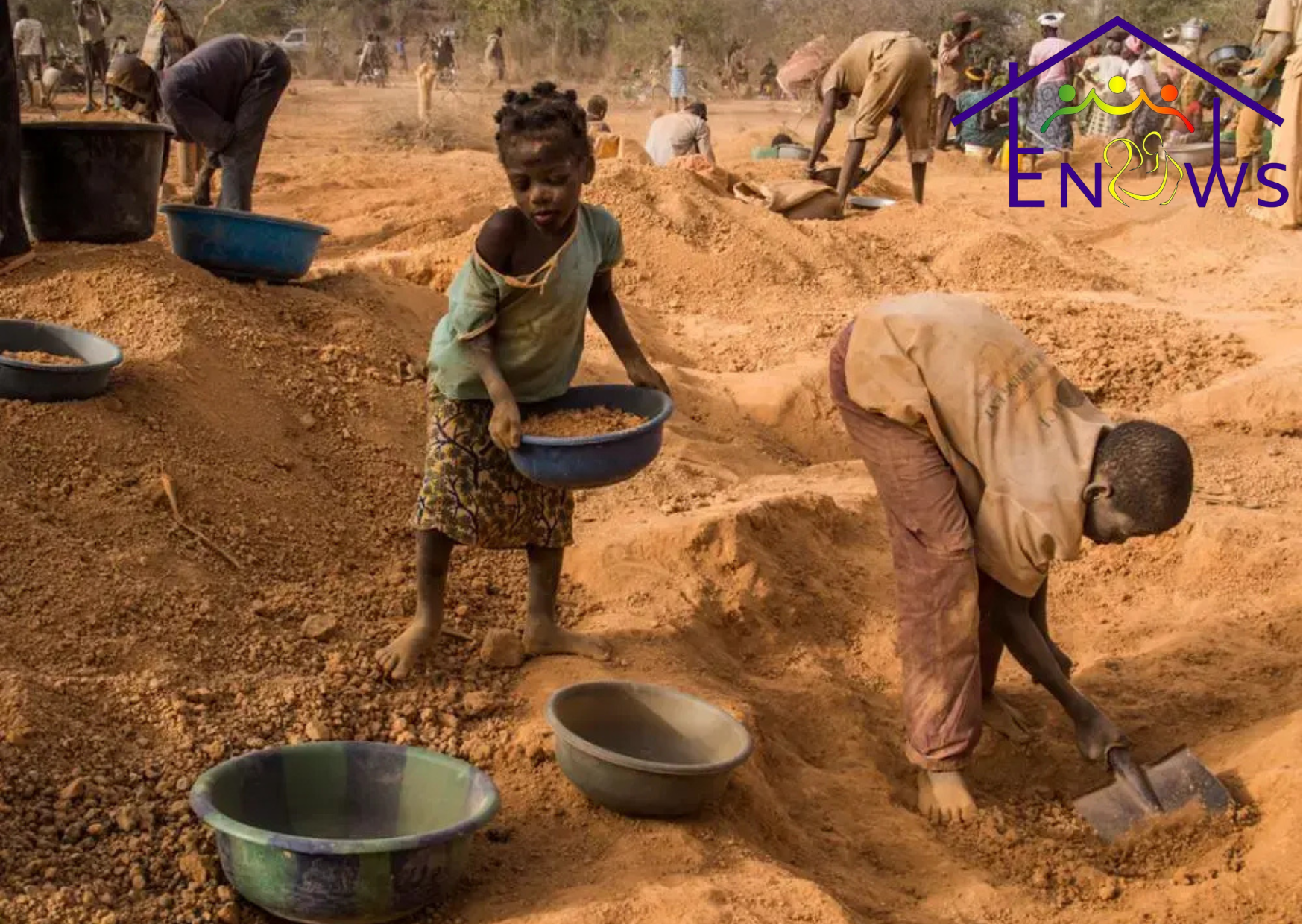
Child Labour and Gender-Based Violence: Understanding the Connection

February 5, 2026/

Published by Ethiopian Network of Women Shelters (ENWS)

Child labour and gender-based violence (GBV) are two of the most pressing challenges affecting children worldwide. While often addressed separately, research and field experience show that these issues are deeply interconnected. Children engaged in labor are at higher risk of experiencing abuse, exploitation, and trauma, while children who are victims of GBV are often forced into work to survive. Recognizing and addressing this intersection is critical for protecting children and ensuring their rights, safety, and holistic development.

How Child Labour Increases Vulnerability to GBV

Children involved in labor, particularly in informal or hazardous sectors, face an increased risk of physical, sexual, and emotional abuse. Those working in domestic environments, farms, factories, or as street vendors are often isolated from safe supervision and protective adults. This isolation can leave them vulnerable to exploitation by employers, older co-workers, or even strangers. Children may tolerate abusive situations because their income is essential for family survival, making it difficult for them to report or resist abuse. Moreover, the lack of legal oversight in many informal sectors increases the likelihood that abuse will go unpunished.

Gendered Patterns of Risk

The risks associated with child labour and GBV are often influenced by gender. Girls are more likely to be engaged in domestic work, caregiving, or street vending, where they are vulnerable to sexual harassment, exploitation, and early or forced marriage. The expectation to contribute to household work or care for younger siblings often disrupts their education and limits future opportunities. Boys, on the other hand, are more frequently engaged in agriculture, construction, or industrial labor, exposing them to physical violence, hazardous conditions, and recruitment into armed groups in conflict-affected areas. Both boys and girls are susceptible to trafficking and other forms of exploitation, but the type of risks differs by gender, reflecting societal roles and expectations.

GBV as a Driver of Child Labour

Gender-based violence can also directly lead to child labour. Children, who experience abuse, neglect, or domestic violence may leave school and seek work to survive independently. Orphaned or separated children, particularly girls, are highly vulnerable to exploitative labor due to the lack of family protection and support. Early marriage, a widespread form of GBV in some communities, often removes girls from school and pushes them into domestic or income-generating work at a young age. In these situations, child labour becomes a coping mechanism, but it further exposes children to new risks and perpetuates cycles of vulnerability.

Psychological and Social Consequences

The overlap of child labour and GBV has profound effects on children’s psychological and social well-being. Children subjected to both exploitation and abuse often experience anxiety, depression, post-traumatic stress disorder (PTSD), and other mental health challenges. Education is disrupted, and many children drop out of school entirely, reducing their future economic prospects. Survivors may face social stigma, marginalization, and exclusion from their communities, further compounding their vulnerability. The combined impact of abuse, labor exploitation, and disrupted education can lead to long-term poverty and limit social mobility.

Societal and Economic Implications

Child labour and GBV do not only affect individuals; they have significant social and economic consequences for communities and nations. Children who miss out on education due to labor or abuse are less likely to develop skills needed for productive employment in adulthood. This perpetuates cycles of poverty, weakens human capital, and contributes to inequality. Societies that fail to address child labour and GBV are likely to see persistent social challenges, including poor health outcomes, low literacy rates, and reduced economic growth.

Strategies for Prevention and Protection

Effective solutions must address both child labour and GBV simultaneously. Strengthening legislation and enforcement mechanisms is crucial to ensure that children are protected from exploitation and abuse. Access to safe, inclusive, and affordable education is essential to prevent children from entering the labor force prematurely. Community awareness programs can educate families and employers about the dangers of child labour and GBV. Comprehensive support services, including shelters, psychological counseling, and legal assistance, provide protection and recovery opportunities for affected children. Economic empowerment of families through social protection programs, livelihood support, and income-generating initiatives can reduce reliance on child labour and prevent further vulnerability to GBV.

Message from ENWS

At the Ethiopian Network of Women Shelters (ENWS), we strongly believe that no child should have to work under unsafe conditions or live in fear of violence. Every child deserves safety, education, and the opportunity to thrive. Our commitment is to protect children, raise awareness about the dangers of child labour and gender-based violence, and work with communities, families, and policymakers to ensure a safer and more just society. Together, we can break the cycle of exploitation and abuse, and give every child the chance to grow, learn, and succeed.”

Conclusion

Child labour and gender-based violence are interconnected issues that reinforce cycles of exploitation, poverty, and trauma. Protecting children requires holistic approaches that address both economic exploitation and violence. By combining legal protections, community awareness, educational opportunities, and support services, we can break these cycles and create safer, more equitable environments where all children can grow, learn, and thrive. Ensuring children’s safety is not only a moral obligation but also a foundation for sustainable development and social justice.

Load More

End of Content.