ENWS Strengthens Learning on Integrated GBV Response Through Exchange Visit to Thailand
Bangkok, Thailand | 14–15 July 2026
The Ethiopian Network of Women Shelters (ENWS) organized a two-day exchange visit to Bangkok, Thailand, from 14–15 July 2026, with the participation of eight ENWS representatives. The visit provided an important opportunity for the delegation to learn from Thailand’s experience in delivering integrated, survivor-centered, and gender-responsive services for women and girls affected by gender-based violence (GBV).
Throughout the visit, the delegation engaged with government institutions, health facilities, legal authorities, and civil society organizations working across Thailand’s GBV prevention and response system. The exchange created an opportunity to explore practical approaches to coordinated service delivery, referral systems, survivor protection, access to justice, community prevention, and long-term recovery.
Learning from Thailand’s Integrated GBV Response System
A key focus of the exchange visit was understanding how different institutions work together to ensure that survivors can access timely and comprehensive support.
The ENWS delegation learned about integrated service delivery models that bring together medical care, psychosocial support, forensic services, legal assistance, social welfare, protection, and referral services. The discussions highlighted the importance of reducing barriers for survivors and strengthening coordination among institutions to avoid unnecessary delays, repeated interviews, and further trauma.
The visit also provided valuable insights into the importance of clear referral pathways, coordinated case management, confidentiality, follow-up mechanisms, and strong partnerships between government institutions and civil society organizations.
Visit to Thailand’s National Social Help Center – Hotline 1300
The delegation visited Thailand’s National Social Help Center (Hotline 1300), which operates under the Ministry of Social Development and Human Security.
The center serves as a national entry point for people seeking assistance in cases involving gender-based violence, domestic violence, child abuse and neglect, human trafficking, elder abuse, and other social emergencies.
Operating 24 hours a day, the hotline coordinates with hospitals, police, shelters, social workers, and legal institutions to facilitate timely support and referrals.
During the visit, ENWS representatives learned about the center’s case intake and registration procedures, referral pathways, confidentiality protocols, data management systems, emergency response mechanisms, and follow-up processes.
The experience offered important lessons on how centralized coordination and referral mechanisms can strengthen access to support services for survivors.
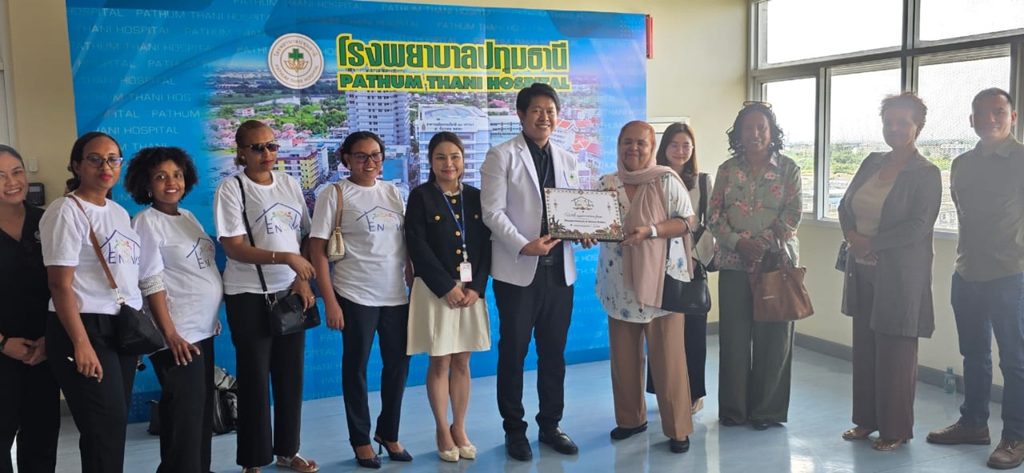
Photo caption: ENWS delegation visiting Thailand’s National Social Help Center (Hotline 1300), where they learned about the country’s centralized case intake, emergency response, referral coordination, and follow-up system for survivors of GBV and other social emergencies.
Exploring Integrated Services at Pathum Thani Hospital
The delegation also visited the One-Stop Crisis Center (OSCC) at Pathum Thani Hospital to learn about Thailand’s integrated approach to supporting survivors of violence.
The center provides a range of services, including emergency medical treatment, psychological support and counseling, forensic examinations, legal assistance, social welfare services, shelter referrals, case management, and follow-up support.
During the visit, participants observed how professionals from different sectors—including doctors, nurses, psychologists, social workers, police officers, and legal professionals—work together to provide coordinated and survivor-centered support while protecting survivors’ confidentiality and dignity.
The visit demonstrated how integrated service delivery can reduce barriers and make it easier for survivors to access essential services.
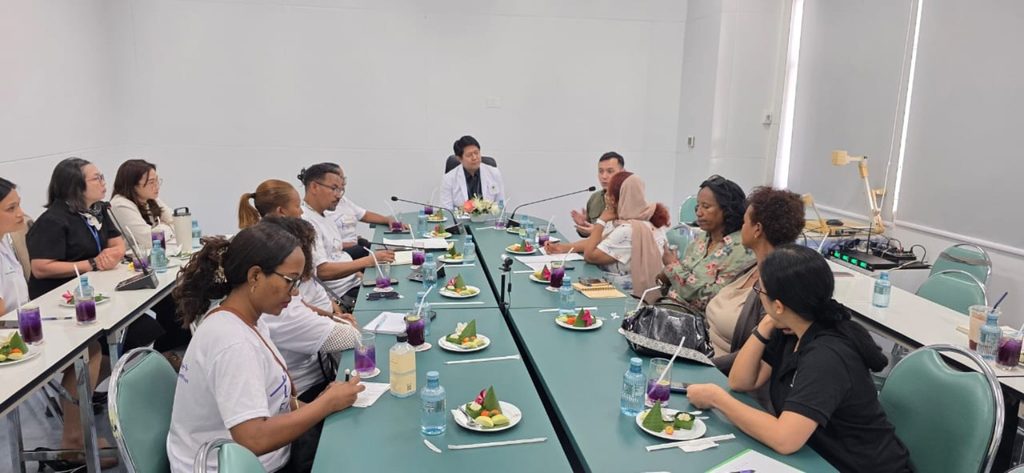
Photo 1: ENWS delegation visiting the One-Stop Crisis Center at Pathum Thani Hospital and learning about Thailand’s integrated, multi-sectoral response to violence against women and girls.
Learning from APSW’s Work on Shelter, Empowerment and Reintegration
Another important part of the exchange visit was the delegation’s engagement with the Association for the Promotion of the Status of Women (APSW) and its partners.
APSW provides a range of services for women and children affected by violence, including emergency shelter, temporary accommodation, vocational and livelihood training, legal counseling, psychosocial support, educational programs, community awareness activities, and reintegration support.
Discussions focused on shelter management, survivor empowerment, economic reintegration, community engagement, and case management practices.
The exchange highlighted the importance of ensuring that survivors receive not only immediate protection and support but also opportunities to rebuild their lives through economic independence, skills development, psychosocial recovery, and long-term social reintegration.
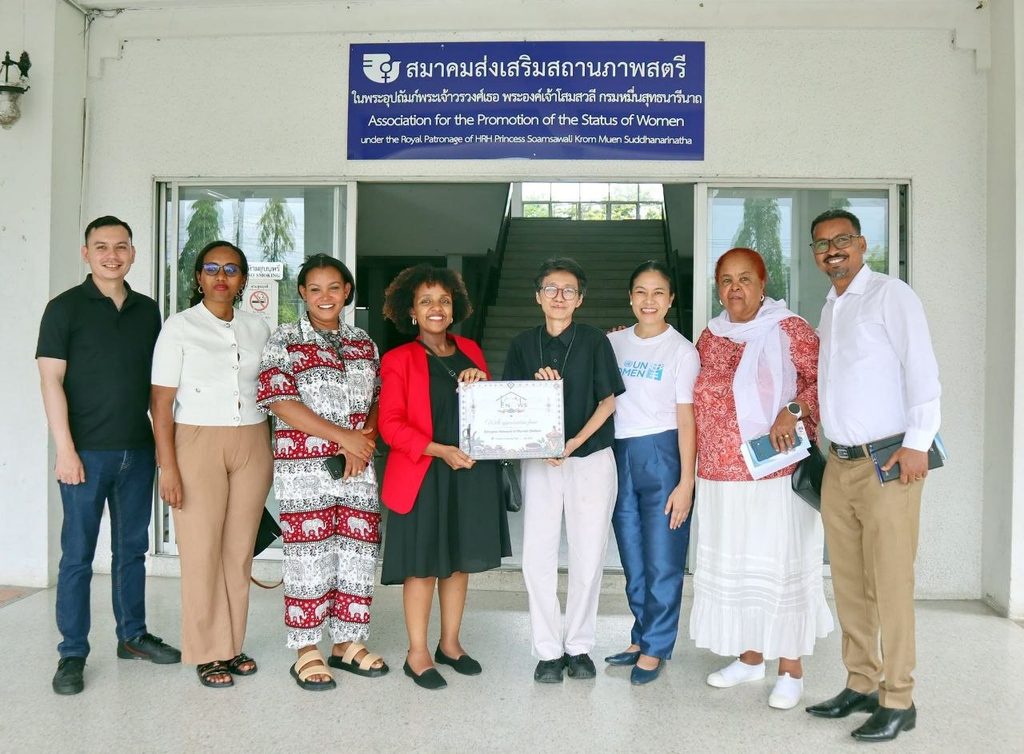
Photo 2: ENWS delegation members meeting with APSW and partner organizations to exchange experiences on shelter services, survivor empowerment, and reintegration programs.
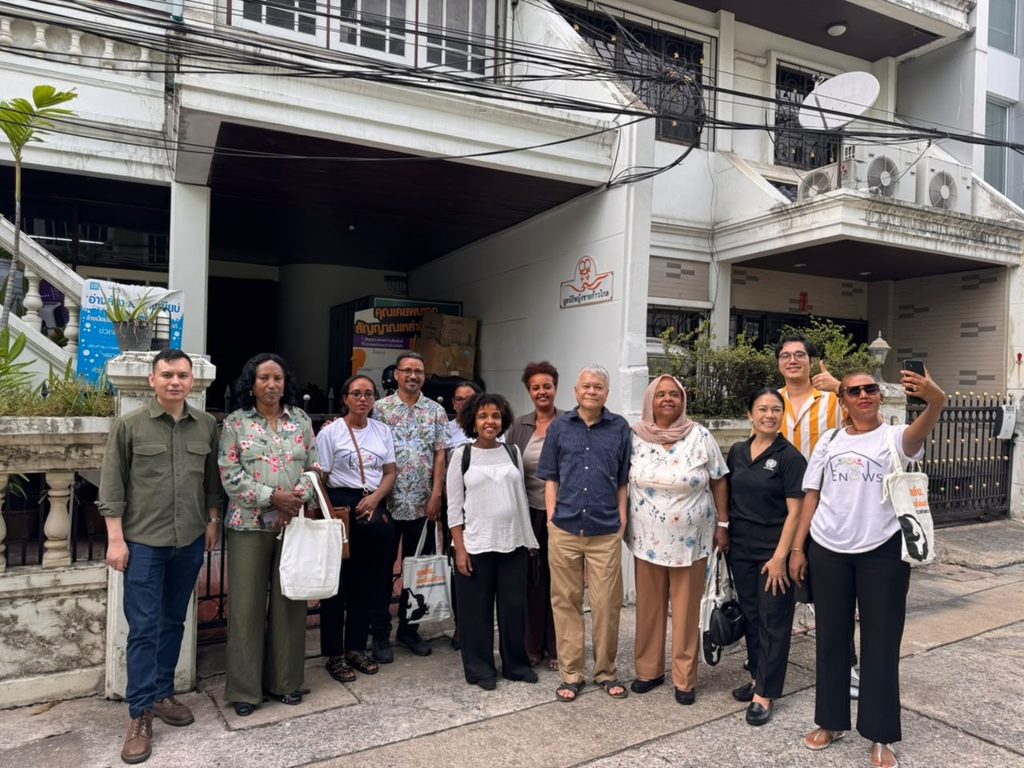
Photo 3: Group photo of the ENWS delegation and representatives of the Women and Men Progressive Movement Foundation following an engagement and experience-sharing session on survivor-centered services and women’s empowerment.
Strengthening Access to Justice and Survivor Protection
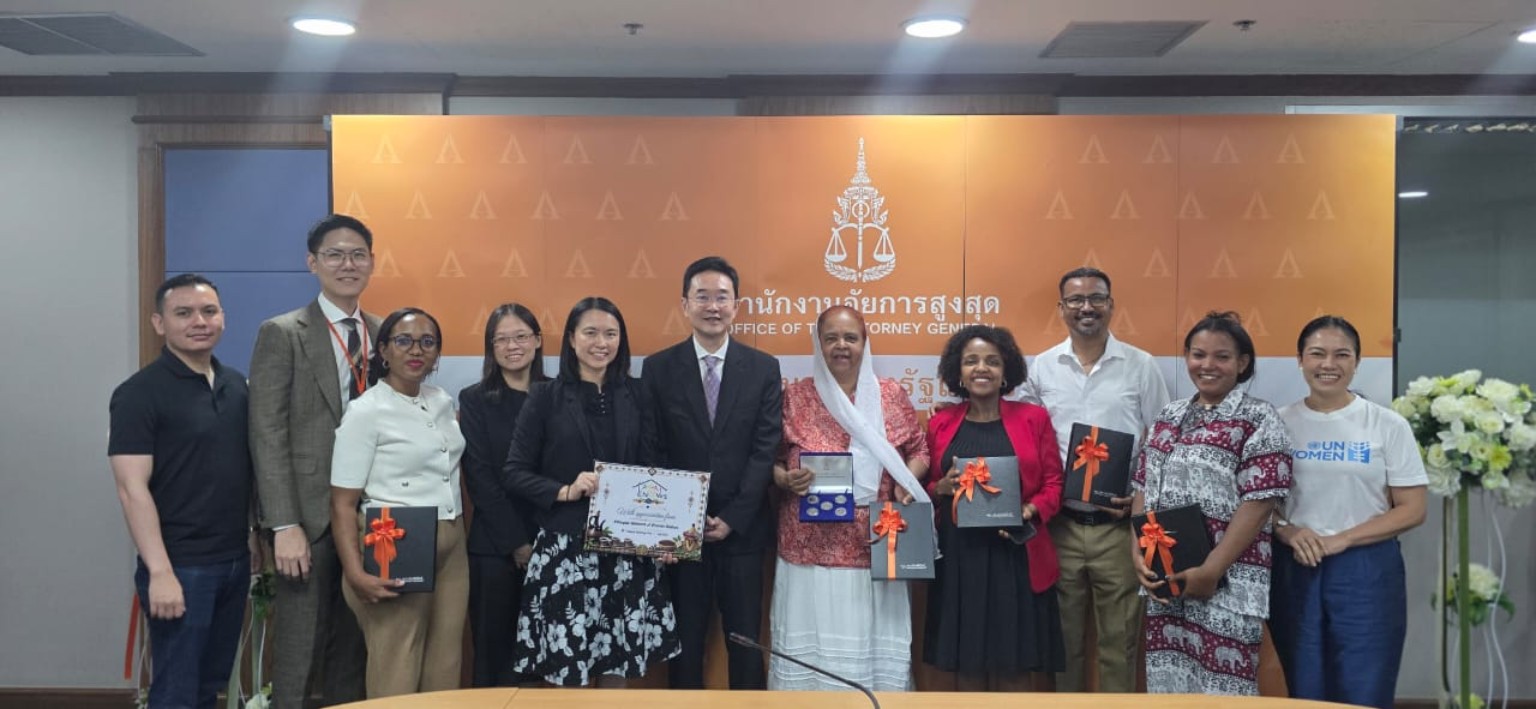
The ENWS delegation also met with officials from Thailand’s Office of the Attorney General to gain a deeper understanding of the country’s legal response to gender-based violence.
The discussions covered legal frameworks and policies, criminal investigation procedures, victim protection measures, evidence collection and documentation, witness protection, inter-agency coordination, and access to justice and legal aid.
The exchange emphasized the importance of close collaboration among prosecutors, police, hospitals, shelters, social workers, and other service providers to ensure that survivors receive effective protection and can access justice.
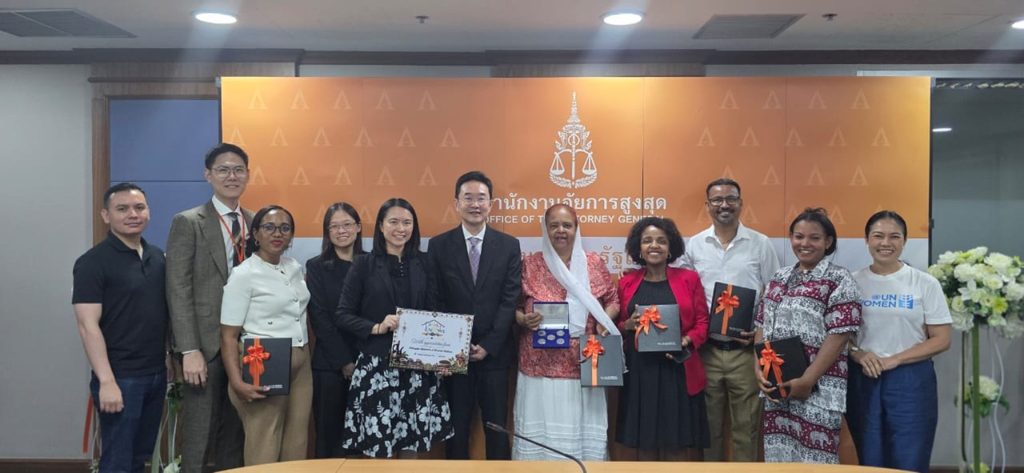
Photo 4: ENWS delegation members engaging in discussions with representatives of Thailand’s legal institutions (Thailand’s Office of the Attorney General) on survivor protection, access to justice, and multi-sectoral coordination.
Key Lessons for Strengthening GBV Response in Ethiopia
The exchange visit generated important reflections that can contribute to ENWS’s ongoing work to strengthen GBV prevention and response in Ethiopia.
Among the key lessons were the importance of:
- Strengthening integrated and one-stop services to improve survivors’ access to medical, psychosocial, legal, and protection support.
- Improving referral pathways and case management systems to strengthen coordination among service providers.
- Exploring the value of a centralized national GBV hotline to improve access to information, reporting, referrals, and emergency support.
- Enhancing multi-sectoral coordination among government institutions, health facilities, shelters, law enforcement agencies, legal institutions, and civil society organizations.
- Promoting survivor empowerment and economic reintegration through vocational training, livelihood opportunities, and psychosocial support.
- Investing in long-term behavioral and social norm change by engaging communities, women, men, boys, schools, religious leaders, and other community structures in preventing violence.
The visit also reinforced the understanding that sustainable progress in preventing gender-based violence requires more than legal protection and service provision. Addressing harmful gender norms, unequal power relations, and behaviors that perpetuate violence is equally important.
Moving Forward
The two-day exchange visit provided ENWS with valuable practical lessons and opportunities for experience-sharing. The knowledge gained from Thailand’s coordinated and survivor-centered approach will contribute to ENWS’s continued efforts to strengthen shelter services, improve referral systems, enhance multi-sectoral coordination, promote survivor protection and empowerment, and advocate for stronger GBV prevention and response mechanisms in Ethiopia.
ENWS extends its appreciation to the government institutions, health professionals, legal authorities, APSW, and other partners in Thailand who generously shared their experiences and expertise with the delegation and contributed to this important learning opportunity.
Through continued learning, partnership, and innovation, ENWS remains committed to advancing a more coordinated, accessible, survivor-centered, and gender-responsive response to gender-based violence in Ethiopia.The two-day exchange visit provided ENWS with valuable practical lessons and opportunities for experience-sharing. The knowledge gained from Thailand’s coordinated and survivor-centered approach will contribute to ENWS’s continued efforts to strengthen shelter services, improve referral systems, enhance multi-sectoral coordination, promote survivor protection and empowerment, and advocate for stronger GBV prevention and response mechanisms in Ethiopia.
Ethiopian Network of Women Shelters (ENWS)